Understanding Saddle River Zoning And Estate Lots
March 24, 2026
March 24, 2026
Thinking about adding a pool, cabana, or guest cottage on a Saddle River estate lot? In 07458, zoning is designed to protect low density and open space, which means a few numbers will shape what you can build. When you know the rules up front, you can design smarter, avoid delays, and protect resale value. This guide breaks down the key limits, the approvals process, and common pitfalls so you can plan with confidence. Let’s dive in.
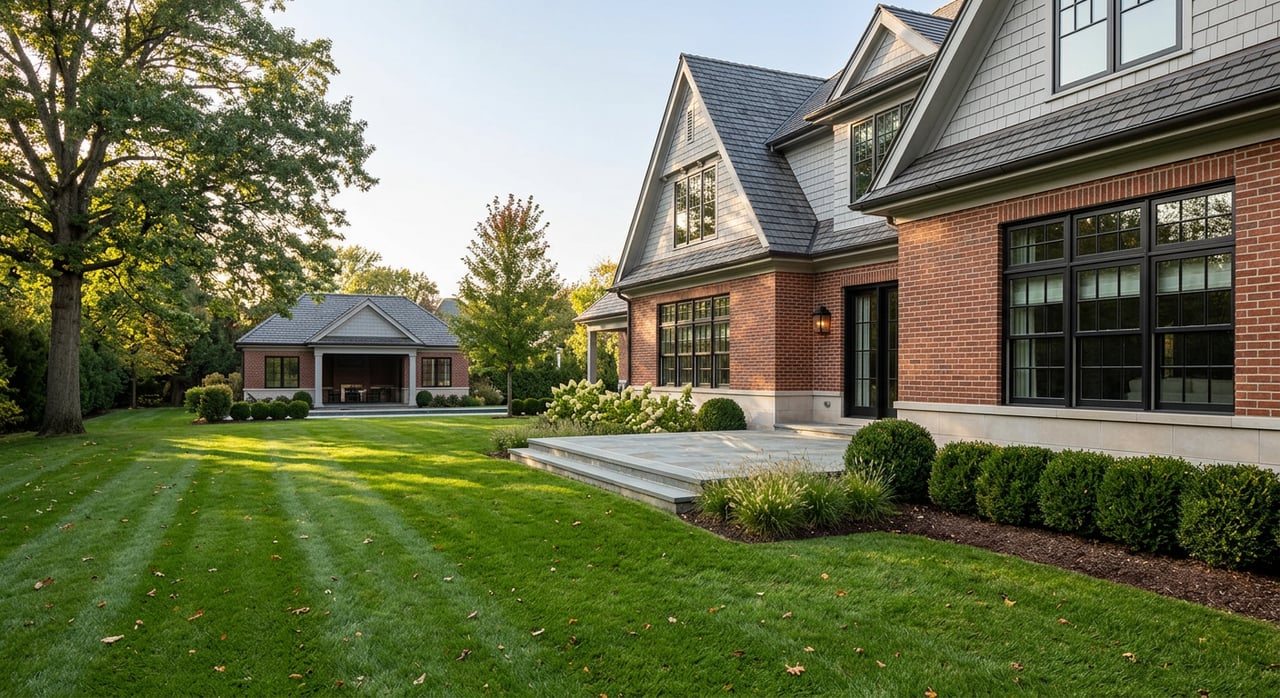
Saddle River’s large-lot zoning preserves a low-density, estate setting. Most single-family districts require a 2-acre minimum lot and substantial frontage, which supports space and privacy across the borough. You can confirm standards for your exact zone in the borough’s Limiting Schedule, which lists minimum lot size, frontage, setbacks, coverage, and height limits. Review the official bulk table in the Zoning Bulk Characteristics Limiting Schedule B and the zoning map before you plan changes.
The borough’s Master Plan describes Saddle River as a mature, large-lot single-family community and ties today’s zoning to that vision. If you value privacy and long-term stability, these policies are part of what shapes the market. You can read the planning context in the Master Plan.
In the principal estate districts, the minimum lot area is 87,120 square feet (2.00 acres). Minimum frontage and lot width are typically 200 feet, with separate rules for corner lots. The Planning Board may allow limited frontage adjustments during subdivision in specific situations, so feasibility matters if you are considering a split. Confirm your parcel’s zone on the official zoning map and then check the bulk schedule for that zone.
The single most important constraint for many owners is the total improved lot coverage cap. In Saddle River’s single-family zones it is about 21% of the lot area. Improved lot coverage includes buildings, driveways, patios, pools, sports courts, cabanas, and parking areas. The definition is specific in the code. See how the borough defines what counts in the improved lot coverage section.
Here is a simple way to size your plan. On a 3-acre lot, you have 130,680 square feet. At a 21% cap, that is about 27,443 square feet of total “improvements.” A generous home footprint plus a long driveway, pool with patios, and a sport court can reach that limit faster than expected. Recalculate coverage early during schematic design to avoid redesigns later.
Principal homes are typically limited to about 35 feet and up to 2½ stories in the estate districts, and accessory buildings are lower. Exact numbers vary by zone, so confirm your limits in the Limiting Schedule. Height and building area rules work alongside the coverage cap, so you need to satisfy all three.
Private pool houses, cabanas, gazebos, and similar structures are permitted accessory uses, but the borough sets clear limits. You are generally capped at no more than three accessory buildings, each at 1,000 square feet or less, and typically one story with a height around 17 feet to the ridgeline. Parcels of five acres or more that qualify under the New Jersey Farmland Assessment program can be treated differently for some accessory limits. Review the accessory rules in the accessory structure provisions.
Even when a structure is allowed, it still counts toward improved lot coverage. Pools, terraces, tennis courts, and expanded drives all consume the same finite coverage budget. That is why the coverage cap often drives the final plan more than setbacks do. Revisit the coverage definition while you sketch options.
If you want a separate place for visitors, be careful with definitions. Saddle River regulates Accessory Apartment Units as a conditional use and an affordable-housing tool. These units require Planning Board review, site plan compliance, and deed restrictions. A full second dwelling is not automatically permitted. A small guest cottage without a full kitchen may be treated differently under accessory rules. Study the accessory apartment standards and consult the Zoning Officer before you commit to a design.
The Zoning Officer and Building Department issue zoning and construction permits for compliant projects. The Zoning Board of Adjustment hears variance applications and appeals. The Planning Board handles site plans, subdivisions, and conditional uses and may grant certain variances tied to those applications. You can see the application checklists and procedures in the Planning Board and subdivision standards.
Several project types often require board review. Exceeding the improved lot coverage cap or encroaching into required yards triggers a variance request. Recent borough reporting shows that setbacks and coverage are frequent variance categories, which means they are scrutinized. The annual reporting materials illustrate that trend in the Zoning Board activity summary.
Beyond zoning, you may need additional permits. Significant soil movement, grade changes, or large retaining walls often require a soil relocation permit and Planning Board review. Board resolutions commonly reference engineered erosion control and any NJDEP clearances when water features are nearby. See examples in Planning Board files like this soil relocation application record. Tree removal or major clearing may require a local permit, and appeals go to the Zoning Board under the tree protection rules. If you have a well and septic, increases in bedroom count or new lots typically require Board of Health and percolation approvals under the sanitary code.
When you need relief from a bulk rule, boards apply the Municipal Land Use Law’s C-variance standards. A C(1) variance addresses hardship tied to the property’s conditions. A C(2) variance is a flexible standard where the benefits of the deviation advance planning purposes and outweigh the detriments. Applicants present planning and engineering testimony to meet both the positive and negative criteria. For a clear overview, see this summary of C variances in NJ.
Thinking about splitting acreage for family or future value? Subdivisions require Planning Board approval and detailed engineering. Expect percolation testing for new septic fields, escrow deposits, and the possibility of utility or roadway conditions. The required lot area and frontage in the bulk schedule will decide if a split is feasible or if you need variance relief. Start with the Planning Board checklists and procedures and a feasibility review with the Borough Land Use Office.
If you are sizing a pool, designing a cabana, or exploring a future subdivision, the smartest move is to confirm the rules early and design to fit. For a parcel-specific read and a strategy that aligns with your goals, reach out for a discreet planning consult. Connect with Michele DeStefano to discuss your Saddle River property and next steps.
Stay up to date on the latest real estate trends.
Whether you’re a first-time home buyer, upsizing, downsizing or an experienced real estate investor, Michele personally ensures that all Madison Group clients are treated with the honesty, respect, and efficiency that you deserve.
Get in Touch With Our Team to Learn More
MADISON GROUP
289 Franklin Avenue Wyckoff, NJ, 07481