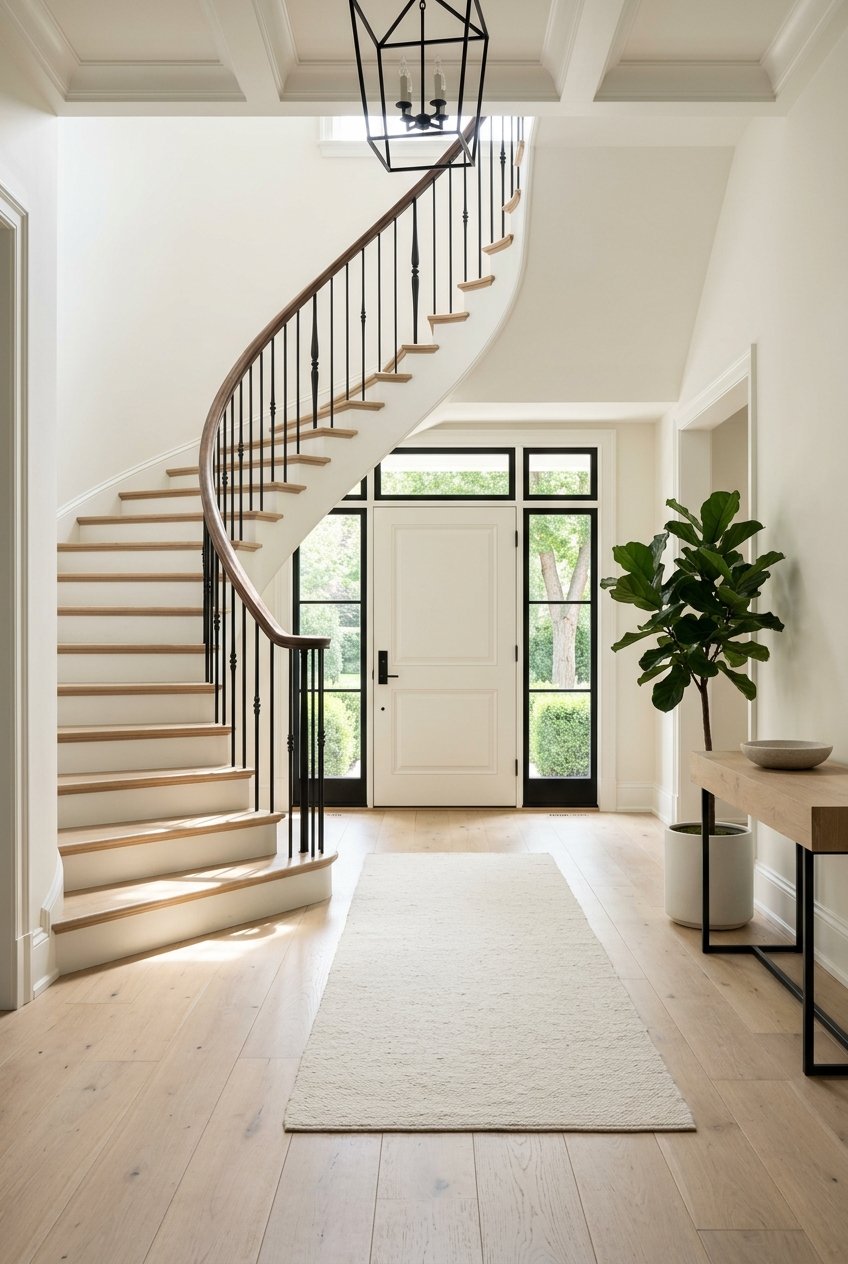
Preparing A Saddle River Estate To Sell With Confidence
June 25, 2026
June 25, 2026
Selling a Saddle River estate is not the same as listing a typical suburban home. When your property sits on a large lot, includes multiple systems or accessory structures, and needs to make a strong first impression from the street all the way to the back of the grounds, preparation matters in a bigger way. If you want to sell with less stress and more control, the right plan can help you organize the work, protect your privacy, and present your home with confidence. Let’s dive in.
Saddle River has a distinct estate-style housing pattern. The borough changed its minimum lot size from one acre to two acres in 1951, and its zoning and housing documents continue to reflect large single-family properties on lots averaging about two acres.
That local setup changes how you prepare to sell. In many Saddle River listings, buyers are noticing far more than the main rooms inside the house. They are also taking in the driveway, landscaping, garage areas, outbuildings, utility spaces, and the overall condition of the property as a whole.
The borough’s housing plan also notes that Saddle River has no sewer infrastructure. That means property preparation often includes organizing information about wells, septic systems, water treatment, and related maintenance records before your home goes on the market.
When a property has more square footage, more land, and more moving parts, preparation works best in a set order. Instead of trying to do everything at once, it helps to move through the home and grounds in stages so each step supports the next one.
A strong pre-listing sequence usually looks like this:
This approach helps you avoid redoing work. It also reduces the chance that vendors, photographers, or buyers will walk through the home before the property is fully prepared.
In a Saddle River estate, decluttering goes beyond countertops and closets. You want buyers to see the scale, function, and upkeep of the property without distractions.
Start with the areas that can collect the most overflow. That often includes the garage, basement, utility rooms, storage rooms, pool equipment areas, sheds, and other accessory spaces. These areas may not be glamorous, but they strongly shape a buyer’s sense of how well the property has been maintained.
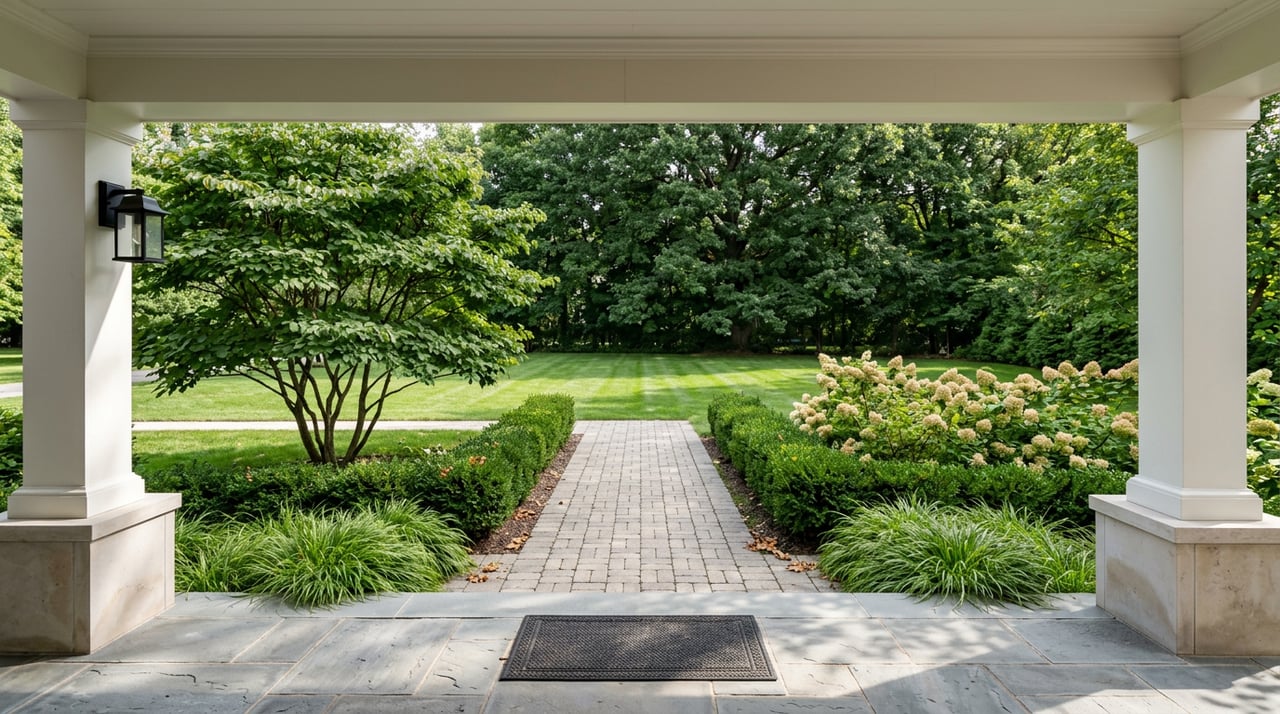
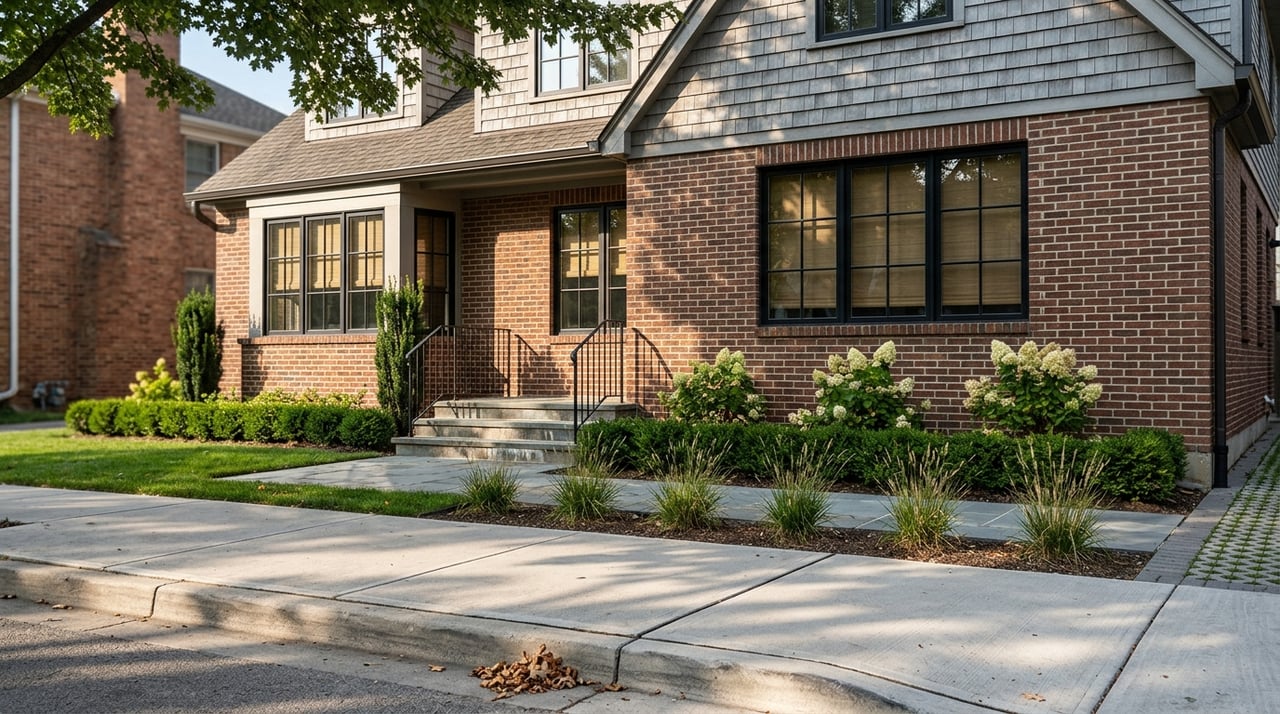
Then move to the arrival experience. Clear front walkways, entry areas, mudrooms, and side access points can make the home feel more polished from the start. On a large property, that first impression begins well before a buyer reaches the front door.
Small issues stand out more in a luxury listing. A loose handrail, chipped trim, worn paint, broken exterior light, or damaged paver can signal deferred maintenance, even when the home is otherwise impressive.
Before you bring in staging or photography, complete the repairs that buyers are most likely to notice. Focus on anything that affects first impressions, day-to-day function, or the appearance of care. This creates a cleaner foundation for marketing and helps your home show as move-in ready.
On larger properties, exterior upkeep matters just as much. Long driveways, gates, fencing, patios, and detached structures should all be reviewed early so you are not rushing repairs after photos are booked.
Because Saddle River properties often sit on expansive lots, the grounds are part of the product you are selling. Buyers are evaluating how the home sits on the land, how the property flows, and how much effort it may take to maintain everything.
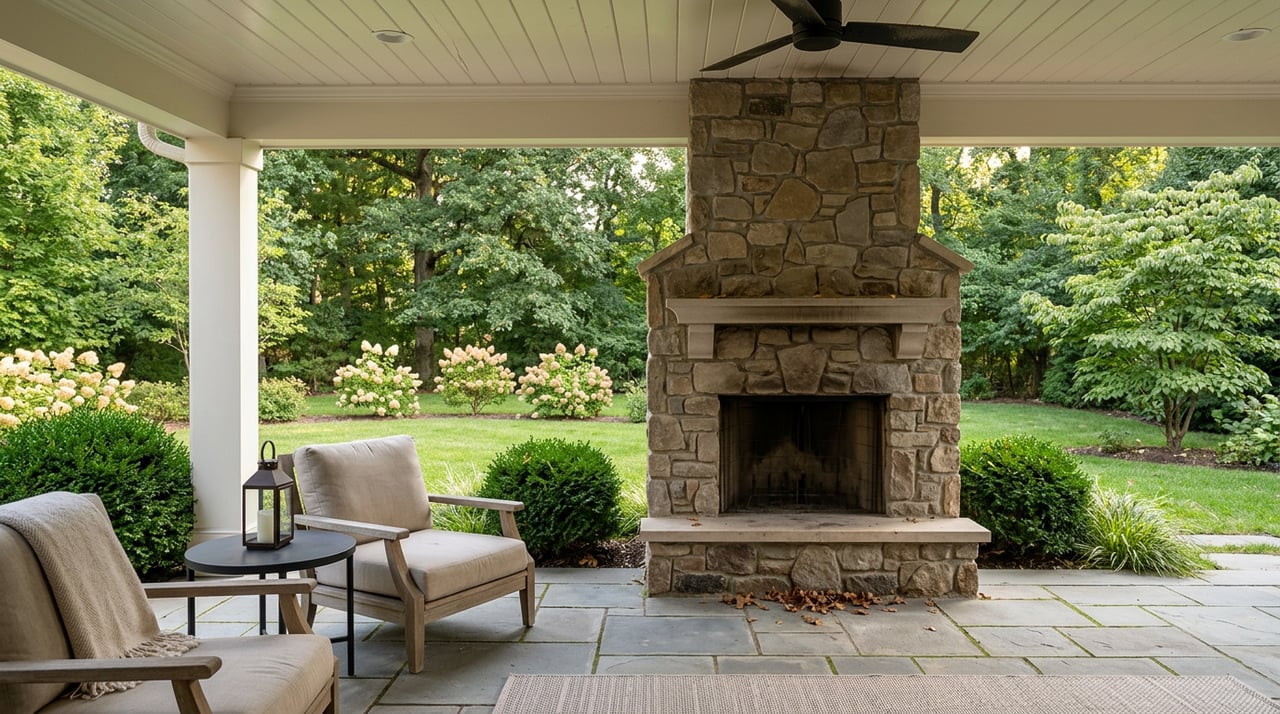
That makes exterior presentation a major priority. Lawn condition, driveway edges, plant bed cleanup, walkway clarity, seasonal color, and the appearance of accessory structures all contribute to the overall impression.
Pay close attention to these estate-specific areas:
When these spaces look clean, intentional, and well maintained, buyers can better appreciate the full value of the property.
One of the smartest ways to prepare with confidence is to gather your records before the listing goes live. New Jersey’s seller disclosure statement asks about a wide range of property conditions and history, including drinking water source, water testing, sewer or septic type, septic installation and cleaning history, abandoned wells, water or sewage problems, radon testing and mitigation, pools and permits, flood history and insurance, zoning violations, encroachments, title issues, and uncorrected code violations.
For many Saddle River homes, this means you should locate documents well in advance. Waiting until a buyer asks can create stress, delays, or uncertainty during negotiations.
Helpful records to gather may include:
Having these materials ready helps support a smoother transaction and shows that you have taken the process seriously.
Saddle River’s Board of Health handles well and sewage disposal or septic system information, and the borough’s housing plan states that the town has no sewer infrastructure. For sellers, that makes private systems a central part of pre-listing preparation.
If your home uses a private well, New Jersey’s Private Well Testing Act may apply at sale for qualifying private wells. The New Jersey Department of Environmental Protection says test results must be reviewed before closing, average testing costs are about $1,200 to $1,500, results are submitted to NJDEP and local health authorities, and uranium testing is required in Bergen County under the law.
This is why early planning matters. If testing, maintenance, or follow-up work is needed, addressing it ahead of time can help you avoid last-minute surprises when a buyer is already under contract.
Pre-listing prep should also include basic fire-safety checks. Saddle River’s fire official specifically lists fire extinguisher compliance for the resale of residential properties among its duties.
That makes it wise to review smoke detectors, carbon-monoxide devices, extinguisher placement, and basic fire-safety housekeeping before showings begin. These may feel like small details, but they are part of presenting a home that is orderly, compliant, and ready for the market.
If your home was built before 1978, the federal lead-based paint disclosure rule applies to most such housing. That rule requires disclosure of known lead information, available records and reports, a lead hazard pamphlet, and a buyer inspection opportunity before contract.
New Jersey also has a flood disclosure law in effect for real estate sales beginning March 20, 2024. It requires disclosure of whether the property is in FEMA’s Special Flood Hazard Area or Moderate Flood Hazard Area, along with any actual knowledge of flood risk.
These are not items to leave until the last minute. Organizing them early helps keep your listing process cleaner and more predictable.
Privacy often matters in a high-value sale. In Saddle River, that concern makes sense. Public market snapshots for 07458 showed a median listing price of $2.424 million, 31 homes for sale, and a median days on market of 28 days in May 2026.
In this kind of market, preparation is not just about making the home look beautiful. It is also about controlling timing, reducing disruptions, and limiting how often your property needs to be reopened for vendors or repeat visits.
A thoughtful showing strategy starts before the listing is live. When cleaning, repairs, landscaping, staging, document collection, and photography are properly sequenced, you can enter the market in a more polished and private way.
On an estate-scale property, good preparation is really a project-management job. Cleaners, landscapers, stagers, photographers, repair vendors, and system specialists may all need access to the home and grounds.
Without coordination, the process can become repetitive and exhausting. Rooms get reset more than once, the home is reopened over and over, and timelines slip.
A concierge-style approach can help by organizing the order of work so each step builds on the one before it. That kind of planning is especially helpful when you are aligning presentation with disclosures, safety items, and well or septic documentation at the same time.
If you are getting ready to sell, use this simple checklist to stay focused:
A calm, structured plan often leads to a stronger launch.
If you are preparing to sell a Saddle River estate, the goal is not just to list your home. It is to present the property as a complete, well-managed asset, with the condition, records, and marketing all working together from day one. For tailored guidance and concierge support, connect with Michele DeStefano.
Stay up to date on the latest real estate trends.
Whether you’re a first-time home buyer, upsizing, downsizing or an experienced real estate investor, Michele personally ensures that all Madison Group clients are treated with the honesty, respect, and efficiency that you deserve.
Get in Touch With Our Team to Learn More
MADISON GROUP
289 Franklin Avenue Wyckoff, NJ, 07481