Alpine Luxury Homes: New Builds Versus Legacy Estates
July 2, 2026
July 2, 2026
If you are shopping Alpine luxury, the biggest question may not be how much house you want. It may be whether you want the ease of a new build or the presence of a legacy estate. In a market this small and this expensive, that choice affects everything from your due diligence to your future resale options. This guide will help you compare both paths in Alpine, NJ so you can make a smarter decision with clearer expectations. Let’s dive in.
Alpine is a small, high-value market on the Palisades, where privacy, views, and topography play an outsized role in pricing. The nearby Palisades Interstate Park stretches along the Hudson River shorefront, uplands, and cliffs, which helps explain why siting matters so much here.
This is also a very thin market. New Jersey residential tax data for 2024 shows just 12 residential sales in Alpine, with an average sales price of $3.91 million and an average assessed value of $2.76 million. Because there are so few transactions, one or two outlier sales can move market averages in a meaningful way.
That means you should think in terms of pricing ranges and property-specific value, not one stable benchmark. Recent market trackers also reflect that limited inventory, with Zillow reporting 14 homes for sale in Alpine as of May 31, 2026, and Redfin reporting a median sale price of $4.5 million for the three months ending April 2026.
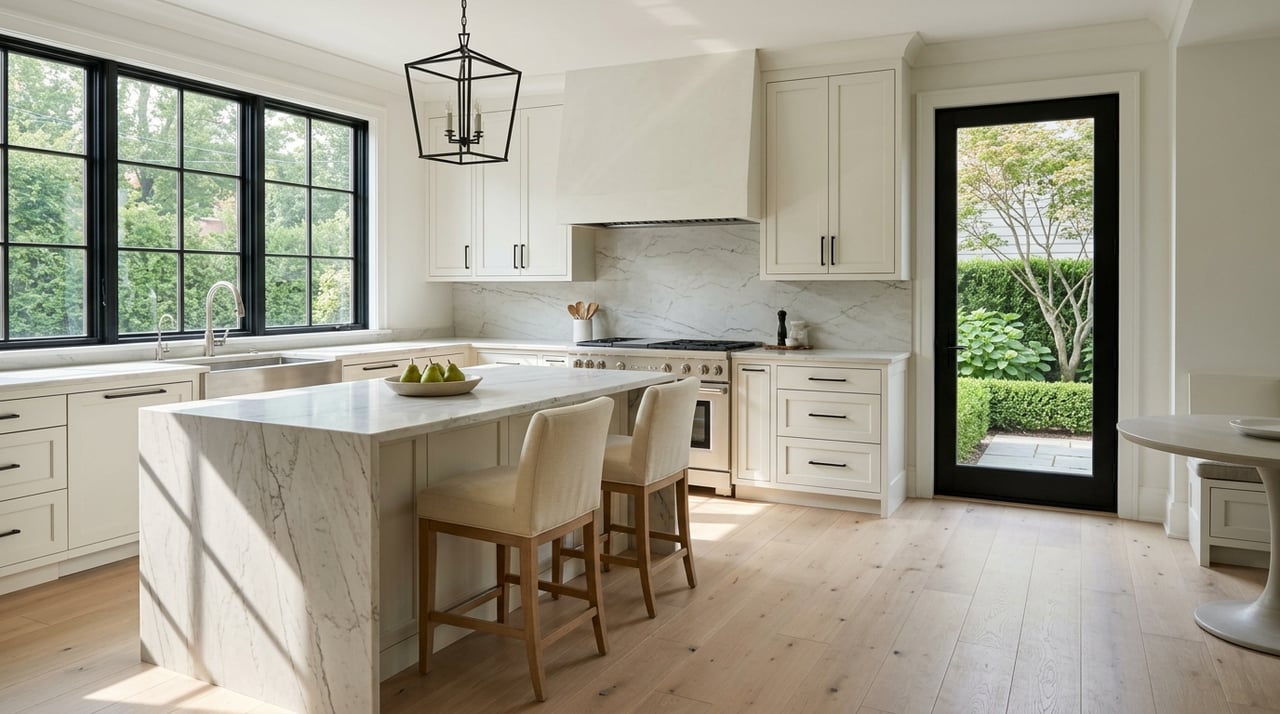
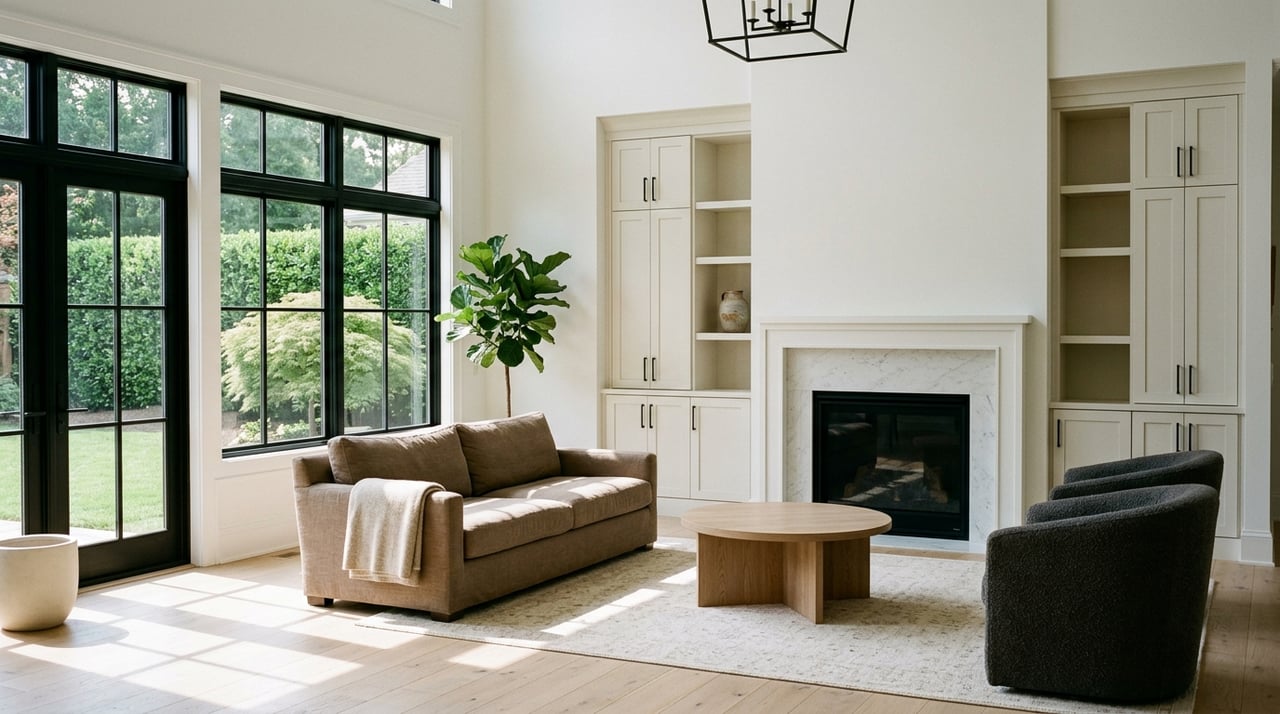
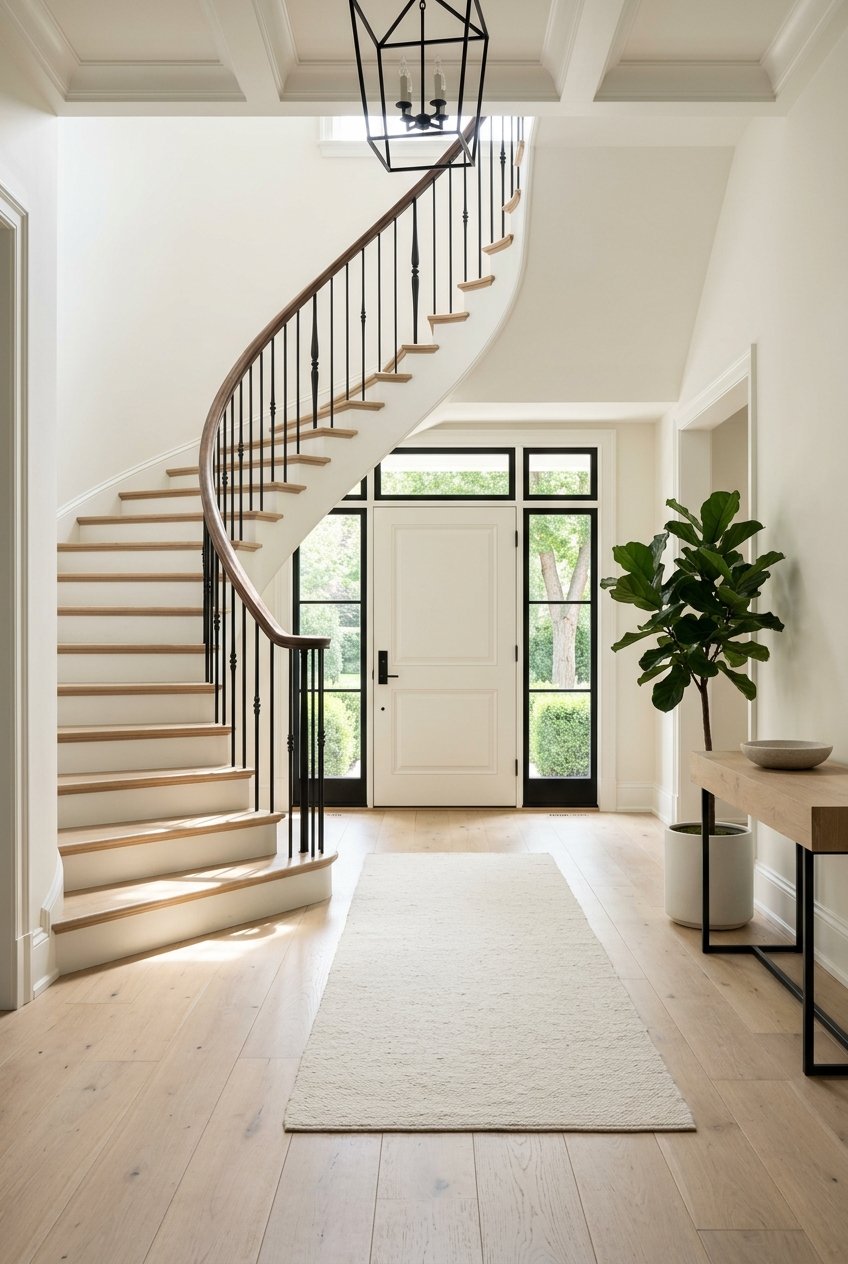
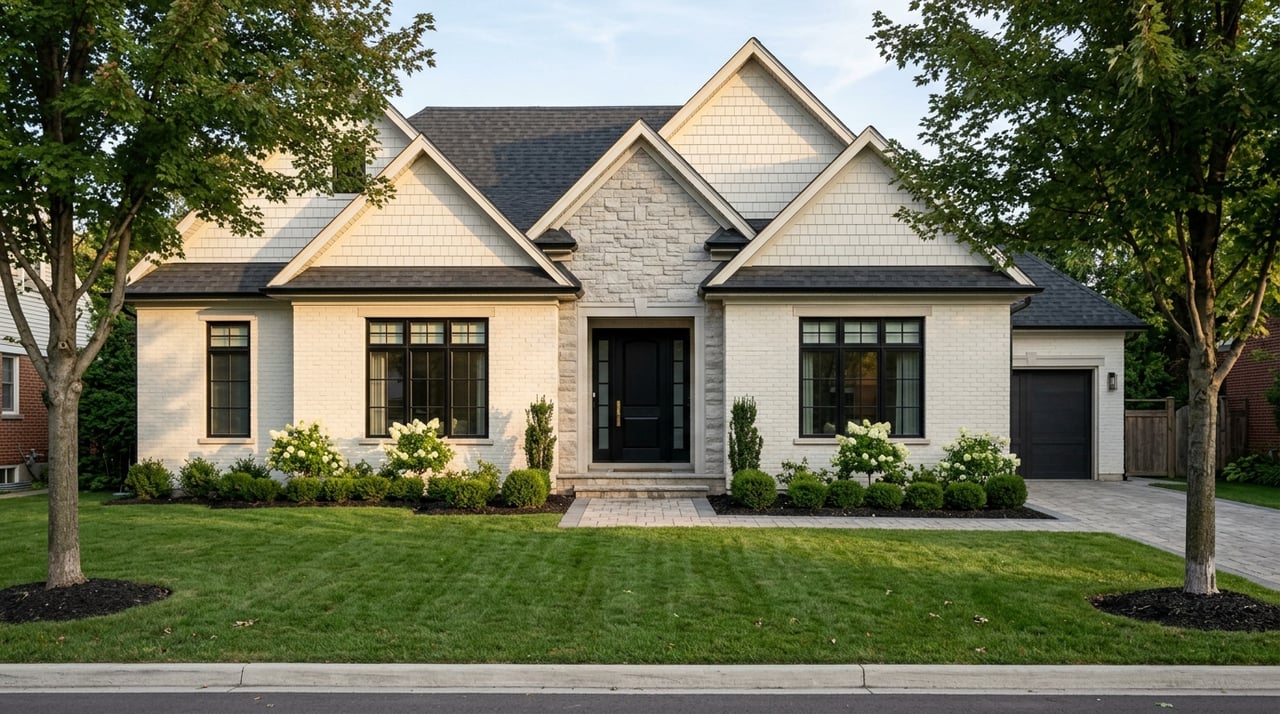
New builds in Alpine often appeal to buyers who want predictability. In practical terms, that usually means newer mechanical systems, more current floor plans, and a cleaner near-term maintenance picture.
But a new build in Alpine is rarely a simple, mass-market product. Alpine zoning permits one-family detached dwellings in its main residential districts, and the borough’s low-density rules shape what can actually be built on a lot. That makes most new construction here a custom, site-specific product rather than a standardized subdivision home.
A well-executed new build can give you a more turnkey experience. If you want to move in without taking on immediate renovation projects, that can be a major advantage.
Buyers are often drawn to:
That said, Alpine buyers should never assume a large lot means unlimited flexibility. The borough’s code regulates not just the house, but also how the site is used.
In Alpine, lot size alone does not tell the full story. Residential districts have minimum lot areas of 87,120 square feet in R-A, 65,340 square feet in R-AA, and 40,000 square feet in R-1.
The code also limits maximum building coverage to 9% and maximum improved lot coverage to 25% in those zones. Improved lot coverage includes buildings, driveways, parking areas, pools, walkways, patios, decks, tennis courts, and similar improvements.
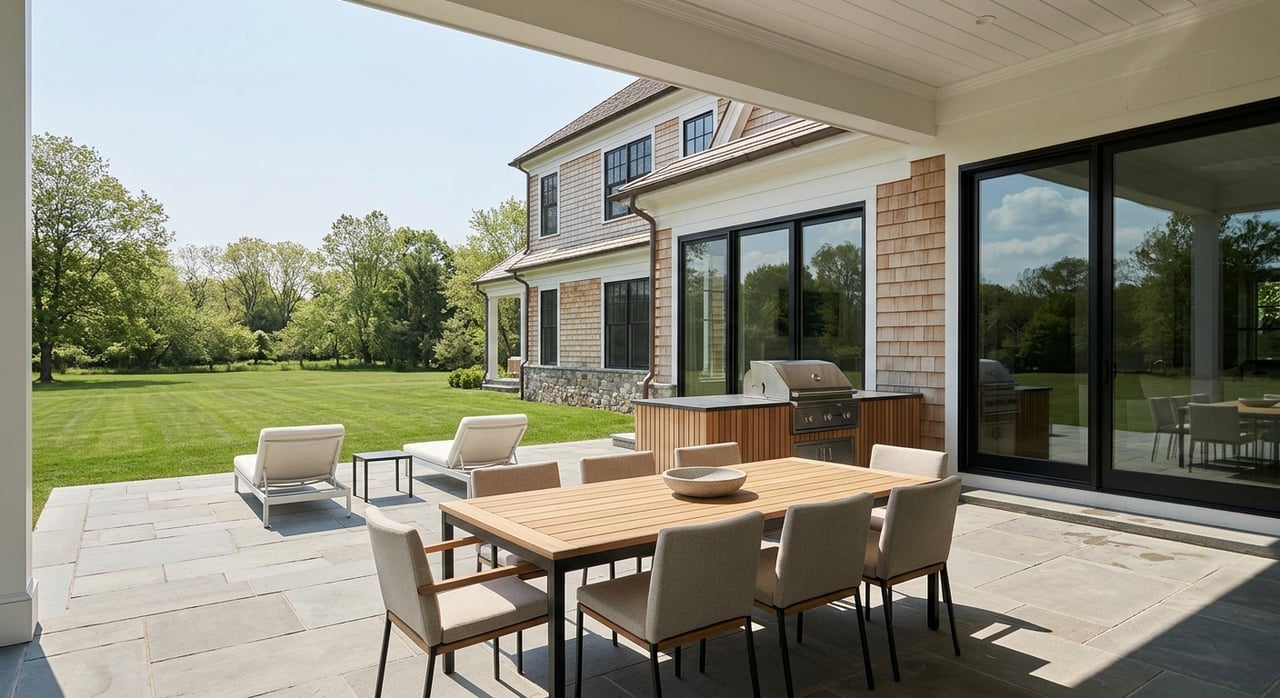
For you, that means a new house with ambitious outdoor amenities can use up the legal envelope faster than expected. A large home, pool, sport court, long drive, and accessory structure may all compete for the same coverage allowance.
Before you move forward, focus on the property as both a home and a regulated site.
Ask questions like:
In Alpine, those questions are not minor details. They are often central to whether a home will fit your long-term goals.
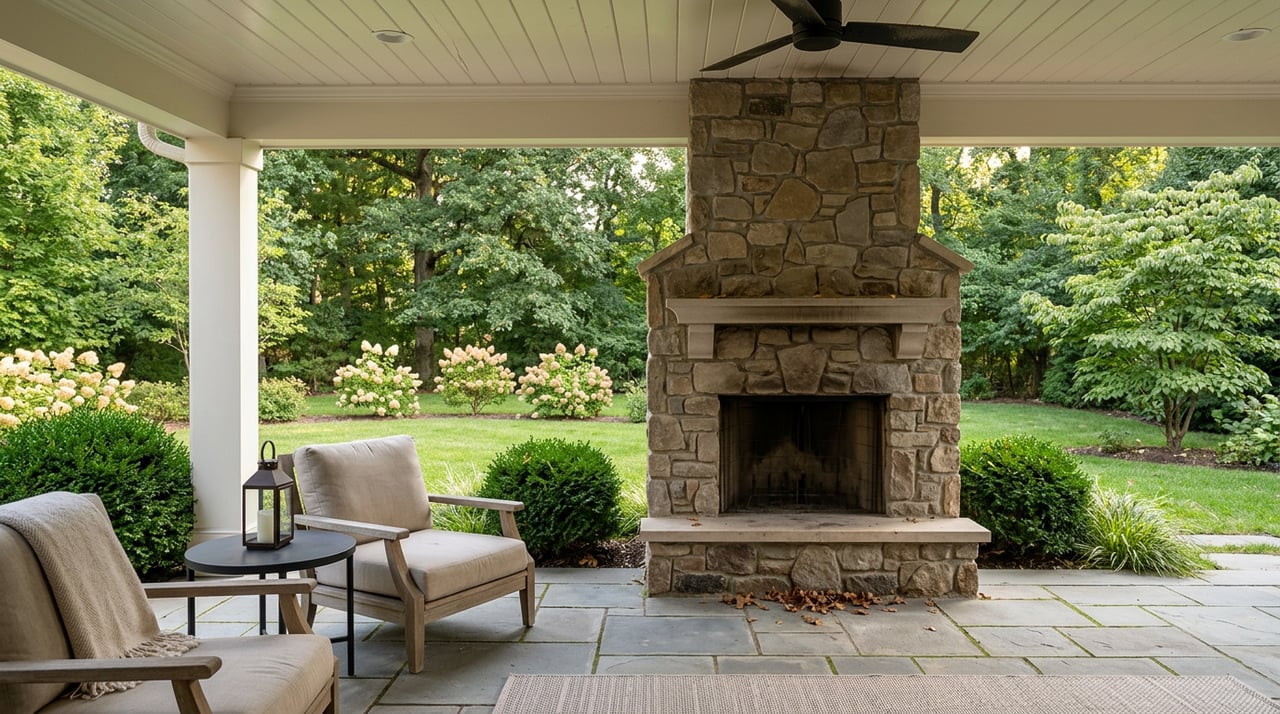
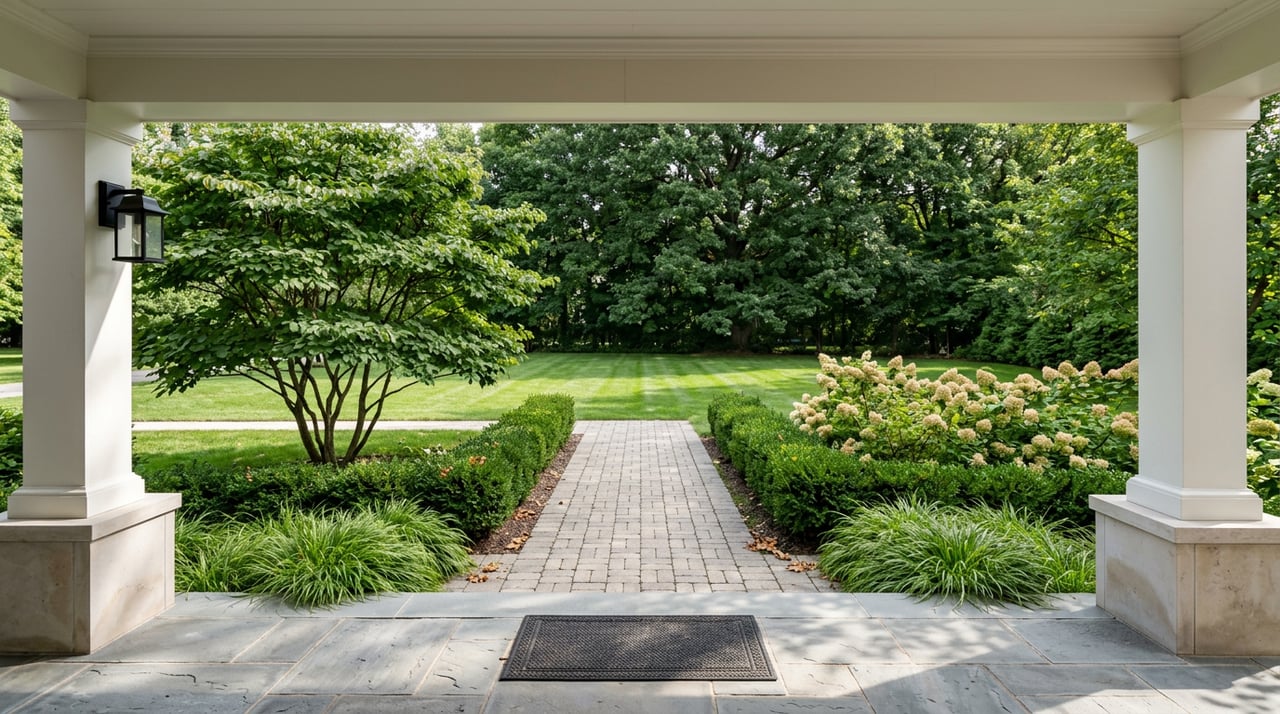
Legacy estates compete on a different kind of value. Their appeal is often tied to land, privacy, mature landscaping, and siting that may be difficult to replicate today.
In a place like Alpine, that can matter just as much as interior finish level. Large-lot zoning, slope conditions, and site-coverage rules can make certain settings feel especially hard to replace.
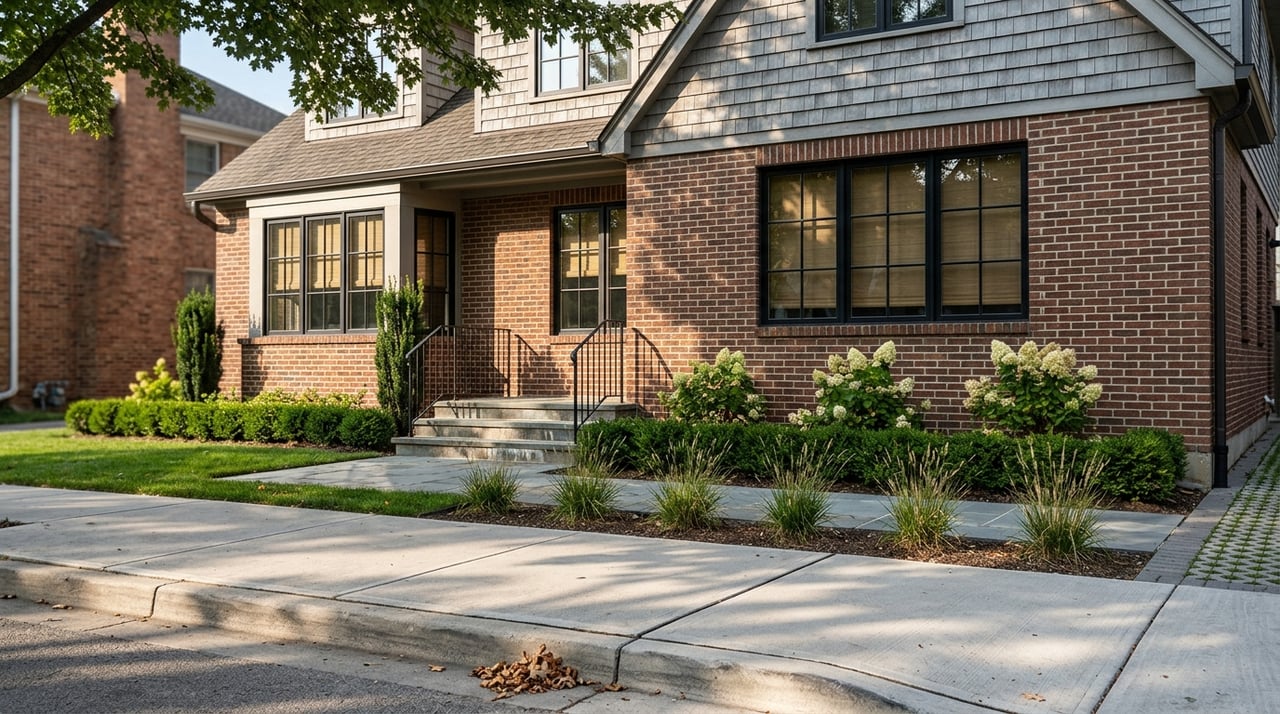
A legacy estate may give you qualities that are not easy to build from scratch. This can include a more established setting, a distinct layout on the land, and a sense of permanence that comes from mature grounds.
These homes often appeal to buyers who value:
In Alpine, those features can carry real weight because the borough has limited vacant developable land and is largely made up of stand-alone residential lots, many of them over one acre.
The tradeoff is that older homes can require more scrutiny. The central question is often not simply the age of the house, but whether updates and additions were done legally and thoughtfully.
Alpine’s code allows certain nonconforming conditions to continue within limits, but it restricts expansion or structural alteration of those conditions. If a property has additions, garages, pool houses, or other site improvements, you should verify that they were approved and remain compliant.
You should also weigh the cost of updating older systems and the usability of the floor plan. A beautiful estate setting can still face buyer pushback later if deferred maintenance or awkward layouts are left unaddressed.
One of the most important things to understand about Alpine is that zoning strongly shapes the product. This is true whether you are looking at a newly built home or a long-held estate.
The borough’s residential zones are intentionally low density. Only one-family detached dwellings are permitted in the main residential districts, and accessory features like swimming pools, tennis courts, and paddle courts are subject to setback, screening, and accessory-building standards.
In some districts, accessory buildings must also be kept away from lot lines and separated from the principal house by meaningful distance. So if you are dreaming about adding a pool house, sport court, or other amenity later, the property’s layout may matter as much as the square footage of the home itself.
Because Alpine includes slope and rocky soil conditions, certain new buildings and additions in R-A, R-AA, R-1, and R-R districts must submit drainage, erosion-control, and stormwater-management plans for borough engineer review using a 50-year design storm standard.
That matters most when you are considering major new work or expansion. Existing developed structures are generally exempt from that slope-disturbance subsection unless the work falls into regulated categories, but buyers should still understand how site conditions may affect future plans.
There is no universal winner between a new build and a legacy estate in Alpine. The better fit depends on how you want to live, what you want to manage, and how much flexibility you may need later.
Here is a simple way to think about it.
A new build can make sense if you want a polished, move-in-ready experience and you are comfortable paying for current design and reduced immediate upkeep.
A legacy estate can make sense if the setting itself is your top priority and you are willing to evaluate updates, compliance, and future improvement costs carefully.
Resale in Alpine is highly property specific. With only 12 residential sales recorded in 2024 and average days on market at 104 in Redfin’s three-month data ending April 2026, the market may take time to absorb a home that misses the mark for its buyer pool.
That is true in both segments. A new build can be attractive if it delivers turnkey ease and strong site planning, while a legacy estate can remain compelling if the grounds, privacy, and improvements line up with what luxury buyers want.
The risk comes when a property is mismatched. A house that overuses its lot coverage, leaves little room for expected amenities, carries unresolved approval questions, or needs major updating may take longer to find the right buyer.
In Alpine, a luxury listing should be read first as a land-use document and second as a lifestyle story. Beautiful photos matter, but they do not answer the most important long-term questions.
Start with the fundamentals:
Terms like “expandable” or “renovation potential” should be tested against the actual legal and physical envelope of the site. In Alpine, the land often tells you more than the brochure does.
If you are comparing Alpine luxury homes, the smartest move is to match the property type to your real priorities. If you want speed, simplicity, and lower near-term maintenance, a well-planned new build may be the better fit. If you care most about privacy, grounds, and irreplaceable siting, a legacy estate may offer the stronger long-term emotional and practical value.
Either way, success in Alpine comes from careful reading of the site, not just the finishes. If you want help weighing the tradeoffs in Bergen County’s high-end markets, connect with Michele DeStefano for a consultation tailored to your goals.
Stay up to date on the latest real estate trends.
Whether you’re a first-time home buyer, upsizing, downsizing or an experienced real estate investor, Michele personally ensures that all Madison Group clients are treated with the honesty, respect, and efficiency that you deserve.
Get in Touch With Our Team to Learn More
MADISON GROUP
289 Franklin Avenue Wyckoff, NJ, 07481