Dreaming of a Saddle River estate with original stonework, grand rooms, and mature trees? You are not alone. Historic homes in 07458 deliver rare craftsmanship and privacy, but they also come with rules, inspections, and hidden costs that modern construction may not. This guide gives you a clear plan for due diligence, who to hire, what to watch for, and how to protect your investment in Bergen County. Let’s dive in.
Why Saddle River homes stand out
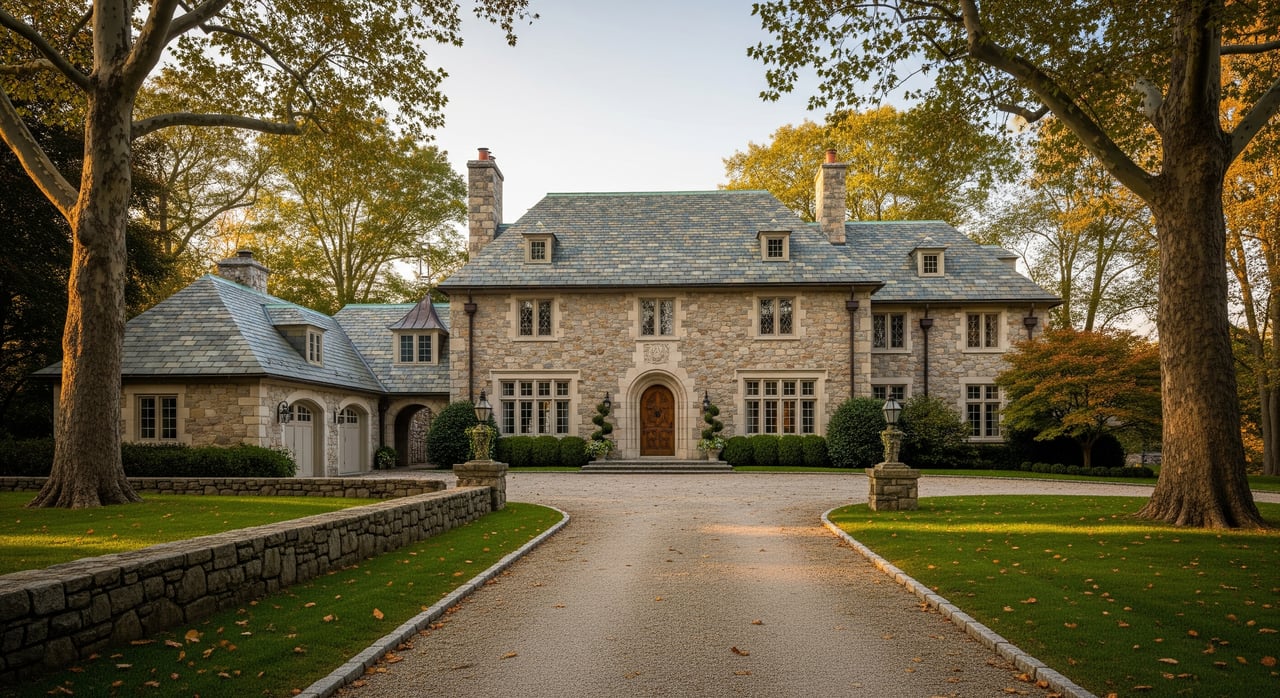
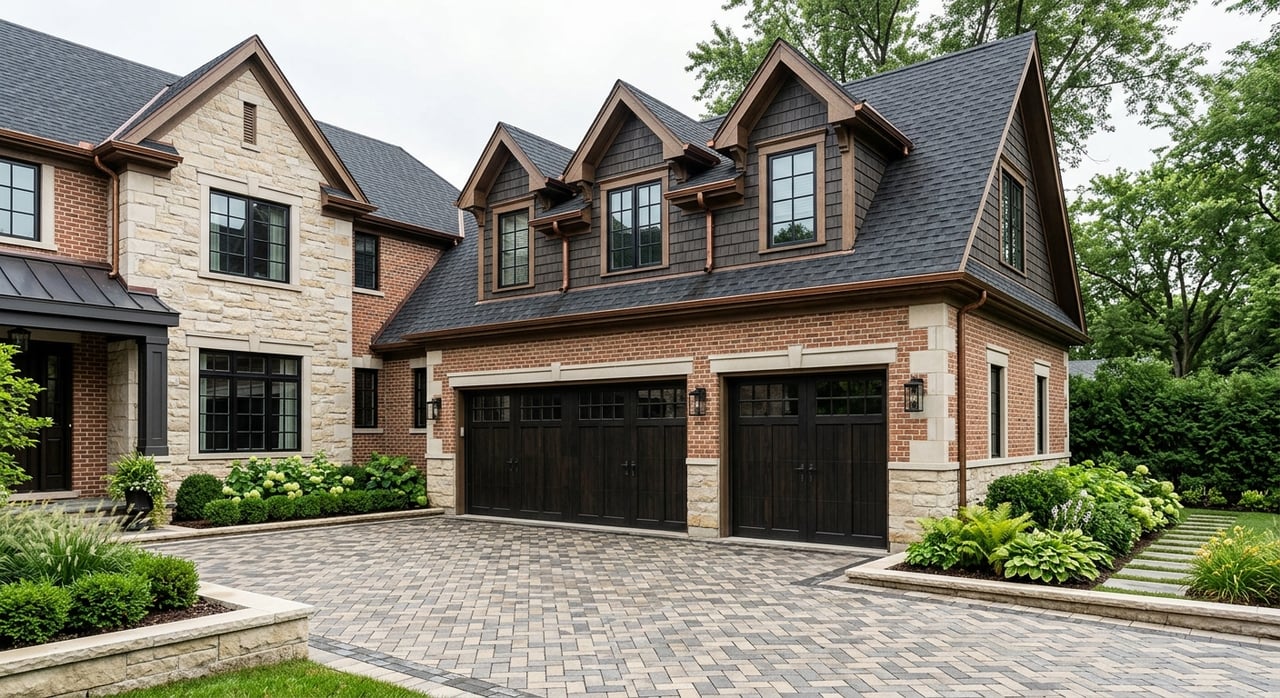
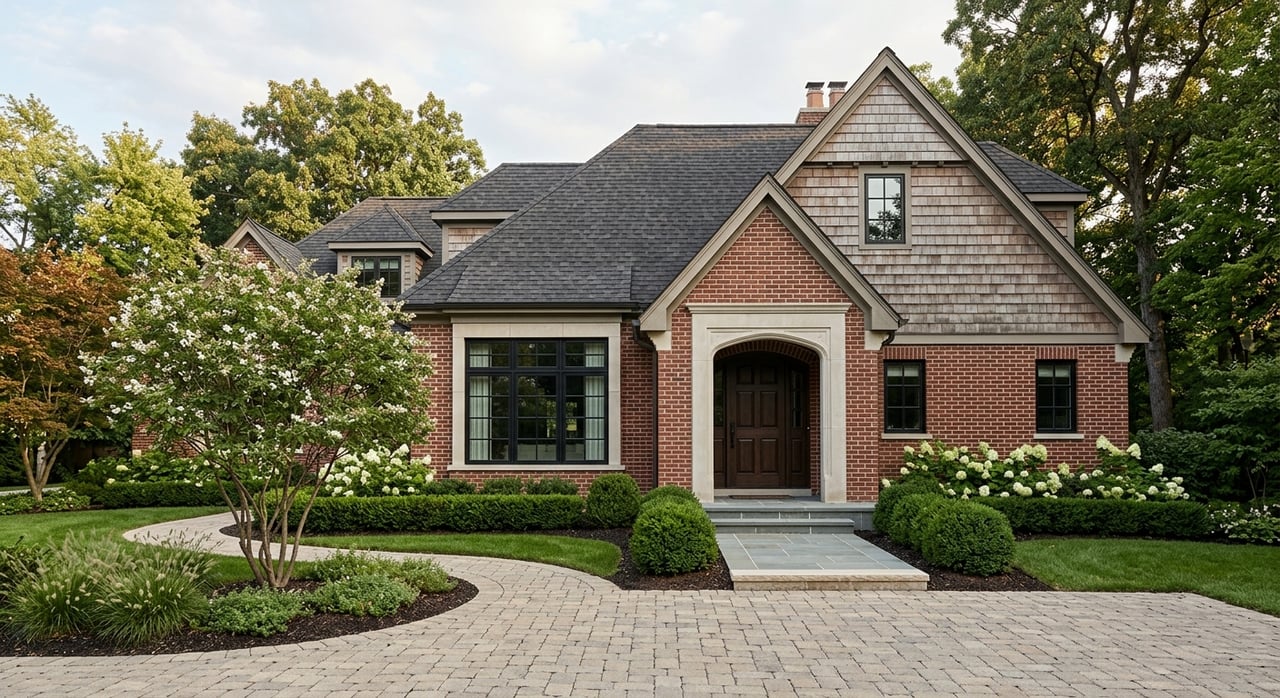
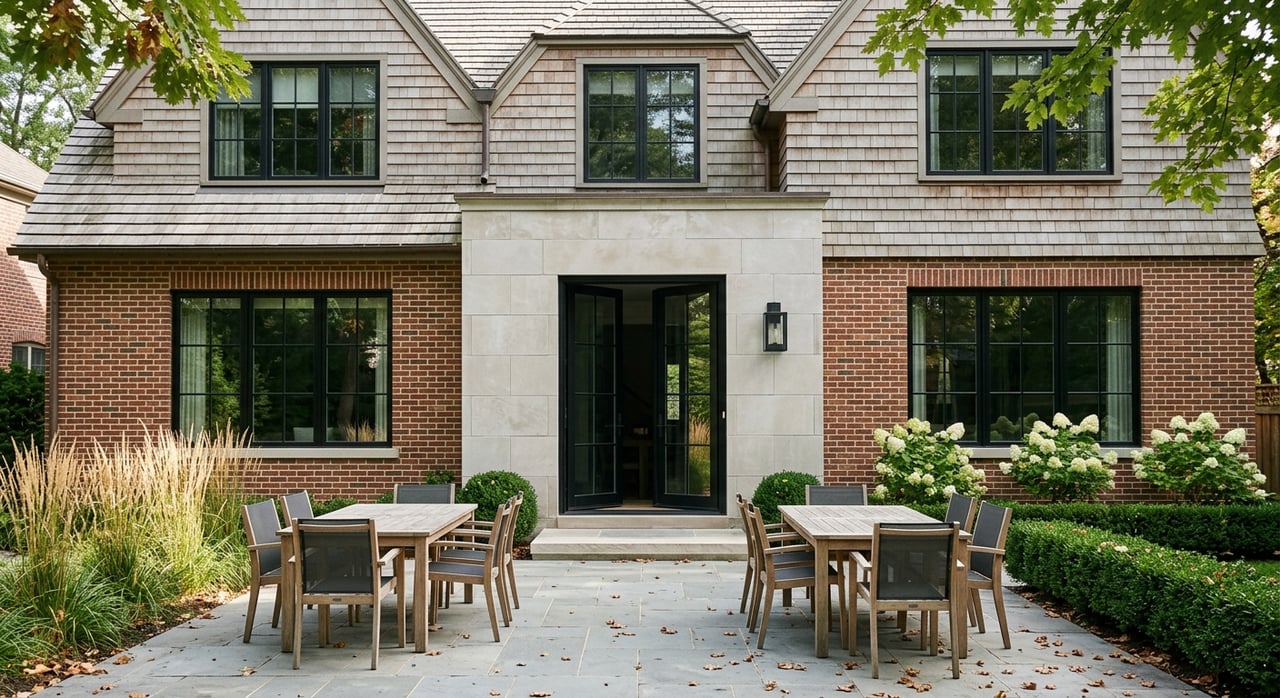
Saddle River is known for large lots and early 20th‑century or older estates. You will often see original millwork, slate or tile roofs, stone foundations, and outbuildings. These details create unmatched character and value for the right buyer.
The tradeoff is upkeep and complexity. Historic properties can include aging systems, preservation-sensitive materials, and projects that require specialist skills. With the right plan, you can enjoy the best of both: preserved charm and updated performance.
Confirm historic status and rules
Before you plan any changes, confirm how the home is designated and what that means for you:
- Local rules. Contact Saddle River’s Building Department, Planning Board, and Zoning Office to review setback and lot coverage limits, permit requirements, and any approvals needed for additions.
- Designation check. Determine if the property is locally landmarked, in a local historic district, or listed on the National Register. A National Register listing alone usually does not restrict a private owner’s changes unless federal funds or permits are involved. Local landmark ordinances can trigger review for exterior work. For state-level guidance, consult the New Jersey Historic Preservation Office.
- Floodplain review. Parts of Saddle River lie near waterways. Review flood zones and base flood elevations at the FEMA Flood Map Service Center and request an elevation certificate if available.
Systems to inspect closely
Older estates often include materials and assemblies that require specialized care. A historic-aware inspector and targeted specialists can help you assess the following.
Building envelope and structure
- Foundations. Masonry and stone foundations can show mortar deterioration, moisture intrusion, or settlement. Repointing should use compatible lime-based mortar to avoid damaging historic masonry.
- Framing. Look for wood rot, insect damage, and previous repairs that do not match original methods.
- Roofs. Slate, clay tile, or wood shingles can last decades if maintained, but repairs require specialists. Replacing with asphalt changes appearance and may affect insurance or preservation review.
- Exterior finishes. Historic clapboard or decorative millwork needs careful carpentry and the right materials.
Mechanical and electrical
- Electrical. Knob-and-tube or aluminum branch wiring may still function but can be unacceptable to insurers. Confirm service size, panel condition, grounding, and code items with a licensed electrician.
- Heating and cooling. Older steam or gravity systems can be retrofitted, and some homes lack modern AC. Consider high-velocity or ductless solutions to limit disruption to historic interiors.
- Plumbing. Galvanized steel, cast iron, or lead piping may restrict flow and corrode over time.
Health and environmental checks
- Lead paint. Homes built before 1978 often contain lead-based paint. Any renovation that disturbs paint should follow the EPA Renovation, Repair and Painting Program.
- Asbestos. Older insulation, floor tiles, and mechanical components may contain asbestos. Testing and licensed abatement may be required. Learn more from the EPA asbestos guidance.
- Radon. Test during inspections. The EPA’s radon resources explain risk and mitigation.
- Mold and moisture. Long-term leaks can drive hidden decay and air quality issues. Moisture control and good ventilation are key.
Site, drainage, and trees
Large, mature trees add beauty and shade. They can also threaten structures if not maintained. A certified arborist can assess tree health, root impacts, and pruning needs.
Historic estates may lack modern drainage. Correct grading, foundation drains, and underground stormwater solutions can prevent foundation and basement problems. Address drainage before interior work.
Step-by-step due diligence
Use this 07458-focused roadmap to move from interest to closing with fewer surprises.
Pre-offer research (days to weeks)
- Review the seller’s disclosures, a preliminary title report, and the deed for preservation easements or restrictive covenants.
- Check municipal permit history and any open violations.
- Review FEMA flood maps and seek an elevation certificate if available.
- Confirm sewer vs. septic and well status. Plan specialized inspections if private systems are present.
- Speak with your insurance broker about insurability, roof age, wiring type, and potential flood insurance needs.
Inspection contingency (2 to 6 weeks typical)
- Hire a licensed home inspector experienced with historic homes for a comprehensive review.
- Order specialist inspections in parallel: structural engineer, licensed electrician, HVAC and plumbing, chimney and masonry, termite and WDO, septic and well (if applicable), hazardous materials testing, arborist, survey, and a preservation architect if character-defining features will be altered.
- Get written estimates for major work such as roof, electrical upgrades, HVAC, foundation, and drainage. For historic materials like slate or ornamental plaster, use contractors with relevant experience.
- Confirm any local historic review that could extend timelines for exterior changes or additions.
- Negotiate credits, seller repairs, or escrow holdbacks based on findings.
Under contract to closing (4 to 12+ weeks)
- Build lead time into your plan. Full system replacements on large estates can take months to schedule.
- Secure financing and appraisal. Request an appraiser with experience in historic or luxury properties.
- If abatement is needed, address scope, cost, and timing within contract terms.
- Complete a title search to confirm the absence of preservation easements or liens.
Post-closing and renovation (weeks to 18+ months)
- Apply for required building and preservation permits.
- Sequence work to protect historic fabric: stabilize structure, fix drainage and roof, then mechanical systems, then interior finishes.
- Plan for phased work and longer lead times for custom millwork, slate, or plaster.
Typical timelines: 10 to 21 days for basic inspections, specialist inspections within weeks, 1 to 6 months for major system replacements, and 6 to 18 months for full historic restorations. Every project is unique.
Specialists to hire
Bringing the right experts in early protects both your budget and the home’s character.
- Historic-aware home inspector. Choose someone who understands older construction and knows when to call in specialists.
- Structural engineer (PE). Engage if you see settlement, major cracking, or plan additions.
- Licensed electrician. Evaluate service capacity, wiring type, grounding, and code upgrades.
- HVAC and plumbing specialists. Document boiler or steam system condition, piping materials, and AC options that minimize invasive ductwork.
- Chimney and masonry pros. Check flues, liners, and the need for proper historic mortar mixes.
- Hazardous materials testing. Lead and asbestos testing informs safe work plans.
- Termite and WDO inspector. Look for hidden damage in sill plates and framing.
- Septic and well pros. Pump and dye tests for septic; water quality and capacity tests for wells.
- Arborist. Assess tree health, risks, and long-term maintenance.
- Preservation architect. For projects that touch character-defining features or require review. For technical guidance on materials and treatment approaches, see the National Park Service Preservation Briefs.
Financing, insurance, and incentives
- Renovation loans. Certain programs can finance purchase plus rehab. Explore the HUD FHA 203(k) program for primary residences or ask your lender about conventional options.
- Insurance. Older roofs, knob-and-tube wiring, and historic materials can affect premiums. If the home lies in a flood zone, you may need coverage through the NFIP flood insurance program. Engage a broker early to confirm insurability and cost.
- Easements and covenants. Preservation or conservation easements can restrict changes and run with the land. Learn the basics through the Land Trust Alliance and verify any encumbrances during title review.
- Tax incentives. Federal Historic Tax Credits typically apply to income-producing properties. For state or local programs and eligibility, consult the New Jersey Historic Preservation Office.
Red flags to weigh
- Undocumented structural work or additions without permits.
- Chronic water intrusion, fungus, or widespread wood decay.
- Extensive knob-and-tube wiring or other hazards an insurer will not cover.
- Local landmark restrictions that block your planned renovations.
- High-risk flood placement without an elevation certificate or costly mitigation needs.
- Multiple hazardous materials requiring extensive abatement.
- Active termite or WDO damage.
Smart renovation sequencing
Protect the home’s historic fabric while modernizing.
- Stabilize and weatherproof: address structure, roof, drainage, and building envelope first.
- Upgrade systems: electrical service and wiring, then HVAC and plumbing.
- Restore finishes: preserve original millwork and plaster where feasible, and integrate new work with compatible materials.
- Plan for lead times: specialist trades and custom materials can extend timelines.
Work with a Bergen County guide
A historic purchase in Saddle River rewards patience and planning. With the right team, you can preserve what makes the home special and update it for daily living. If you want a step-by-step plan, vetted local specialists, and negotiation strategy tailored to your goals, let’s connect. Reach out to Michele DeStefano for a private consultation.
FAQs
What makes a home “historic” in Saddle River?
- A home may be locally landmarked, in a local historic district, or listed on the National Register. Local landmark status can trigger review for exterior changes.
Do National Register listings limit renovations?
- National Register listing alone does not restrict a private owner’s changes unless federal funds or permits are involved. Local ordinances can require approvals.
How do I check 07458 flood risk?
Which inspections matter most for older estates?
- In addition to a historic-aware general inspection, prioritize structural, electrical, HVAC and plumbing, chimney and masonry, termite, septic and well, hazardous materials, and arborist reviews.
Can I finance purchase plus restoration together?
- Some loans, such as the HUD FHA 203(k) program, can combine purchase and qualified renovations for primary residences. Ask your lender about options.
How long does the process usually take?
- Inspections often take 10 to 21 days. Major system upgrades can take 1 to 6 months, and full historic restorations commonly take 6 to 18 months depending on scope and approvals.